
From evidence to action: Improving school dental services for Sri Lankan children
By Uttara Amilani, AusHSI PhD Scholar
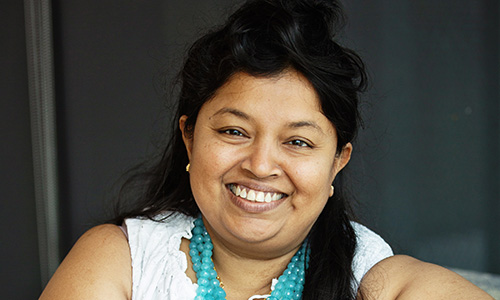
As a dental public health specialist from Sri Lanka, I have spent more than 16 years in government health services, including over 7 years as a specialist focused on improving oral health. Throughout my career, I have witnessed an ongoing challenge that continues to affect millions of children: tooth decay.
For many children, tooth decay is far more than a cavity. It can cause pain, difficulty eating and sleeping, poor concentration in school, and reduced quality of life. Despite being largely preventable, tooth decay remains one of the most common childhood diseases worldwide.
In 1951, Sri Lanka introduced a school dental service to promote oral hygiene, help prevent dental problems, and provide treatment when needed. Similar programs were later established in several South and Southeast Asian countries with support from the New Zealand government. More than 70 years later, these services continue to play an important role in promoting children’s oral health.
Yet significant challenges remain. In Sri Lanka, around 60% of 5-year-old school children are affected by tooth decay, while approximately half of dental treatment needs go unmet. Similar patterns are seen in low- and middle-income countries. As both a clinician and a public health professional, this raised an important question for me: school dental services have supported children’s oral health for decades, yet why does tooth decay remain common? The answer lies in the fact that providing dental care is only one part of the picture.
This question has become the foundation of my PhD research at the Australian Centre for Health Services Innovation. I am exploring how school dental services work in practice, the challenges they face, and how they can be strengthened to better support children’s oral health. I am assessing the resources available to provide school dental services, including dental chairs and mobile dental chairs, instruments, equipment, dental materials and supplies, and other resources required for service delivery.
My research also explores how outreach programs are organised and supported, including the availability of transport and arrangements for transporting equipment and materials to outreach locations. This will help identify existing strengths and opportunities to further improve the delivery of school dental services and support children’s oral health.
Understanding the problem is only part of the journey. In the final phase of my research, I will bring together health professionals, decision-makers, and other key stakeholders to co-design practical solutions. These may include ways to improve how services are organised, how available resources are used, or how outreach services are delivered. Together with my supervisory team and key stakeholders, I will build on the findings from my PhD research to develop practical, affordable, and sustainable strategies that can strengthen Sri Lankan school dental services and make a lasting impact.
As someone who has worked in public oral health for many years, I want this research to make a real difference for children and their families. I hope the findings will help strengthen school dental services, improve access to care, and reduce the number of children affected by tooth decay. Ultimately, my goal is to contribute to a future where every child can benefit from good oral health, learn without the pain and discomfort of dental disease, and reach their full potential.