

When Life is Difficult — And Why That Matters in Research
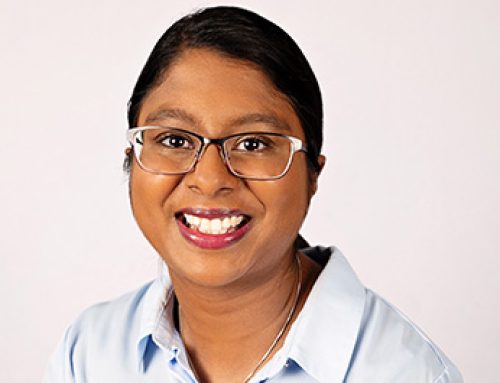
By Megumi Lim, AusHSI PhD Scholar
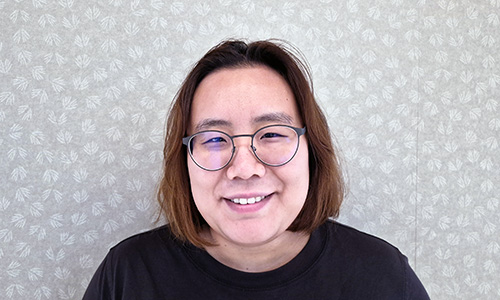
In 2012, just two days after completing my final examination for a diploma in radiation therapy, my father was hospitalised with what we later learned was cancer. A Computed Tomography scan revealed stage IV lymphoma. For my mother, the sole income-earner in our family, this period was overwhelmingly stressful. The financial uncertainty was so significant that I nearly postponed beginning university.
Years later, while working full-time as a radiation therapist and strongly encouraged by my mother, I began an MBA. Studying business while working in healthcare opened up entirely new questions for me: How much do shiny new healthcare innovations actually improve patients’ quality of life? And more importantly, are they worth the price tag? That curiosity nudged me into a Master of Public Health with a specialisation in health economics. In hindsight, it was the most logical path for someone who had spent most of their childhood asking “mummy, why?” on repeat like a broken record.
Despite the financial pressures my family faced, I’ve been extraordinarily fortunate to pursue postgraduate study, and ultimately a PhD examining the financial burden of childhood cancer. My research focuses on the out-of-pocket costs families face, what makes financial aid schemes succeed or fail in practice, and what families actually value in financial support models. In many ways, I became the same annoying child asking “why?”, but this time with ethics approval, survey instruments, and scholarships to justify my questions.
But persistence doesn’t protect anyone from a chaotic PhD journey. Researching the financial burden of childhood cancer often resurfaced difficult memories from my own life, bringing waves of helplessness, self-doubt, and imposter syndrome. Over the course of my candidature, both my parents and I developed various health issues, and I grieved the loss of three people close to me. Conducting interviews with families navigating childhood cancer while dealing with my own grief was emotionally heavy. I often wondered whether I was the right person for this work. Thoughts like “Why did I think I could do this?” or “Am I doing justice to what these families have shared?” became regular, uninvited visitors. Still, I knew how much my family had sacrificed for me to be here. Giving up simply wasn’t on the table.
To protect my mental wellbeing, I deliberately lead a busy life outside of my PhD: training in Brazilian jiu-jitsu and working part-time. Talking to peers who researched topics like end-of-life care and HIV reminded me that emotionally difficult research is surprisingly common.
In the end, I have no regrets. This PhD has been challenging intellectually, emotionally, and logistically, but profoundly rewarding. It has taught me that meaningful research does not happen in sterile conditions — life’s messiness creeps in whether we like it or not. If anything, those complexities deepen our empathy, sharpen our questions, and strengthen our commitment to the work.